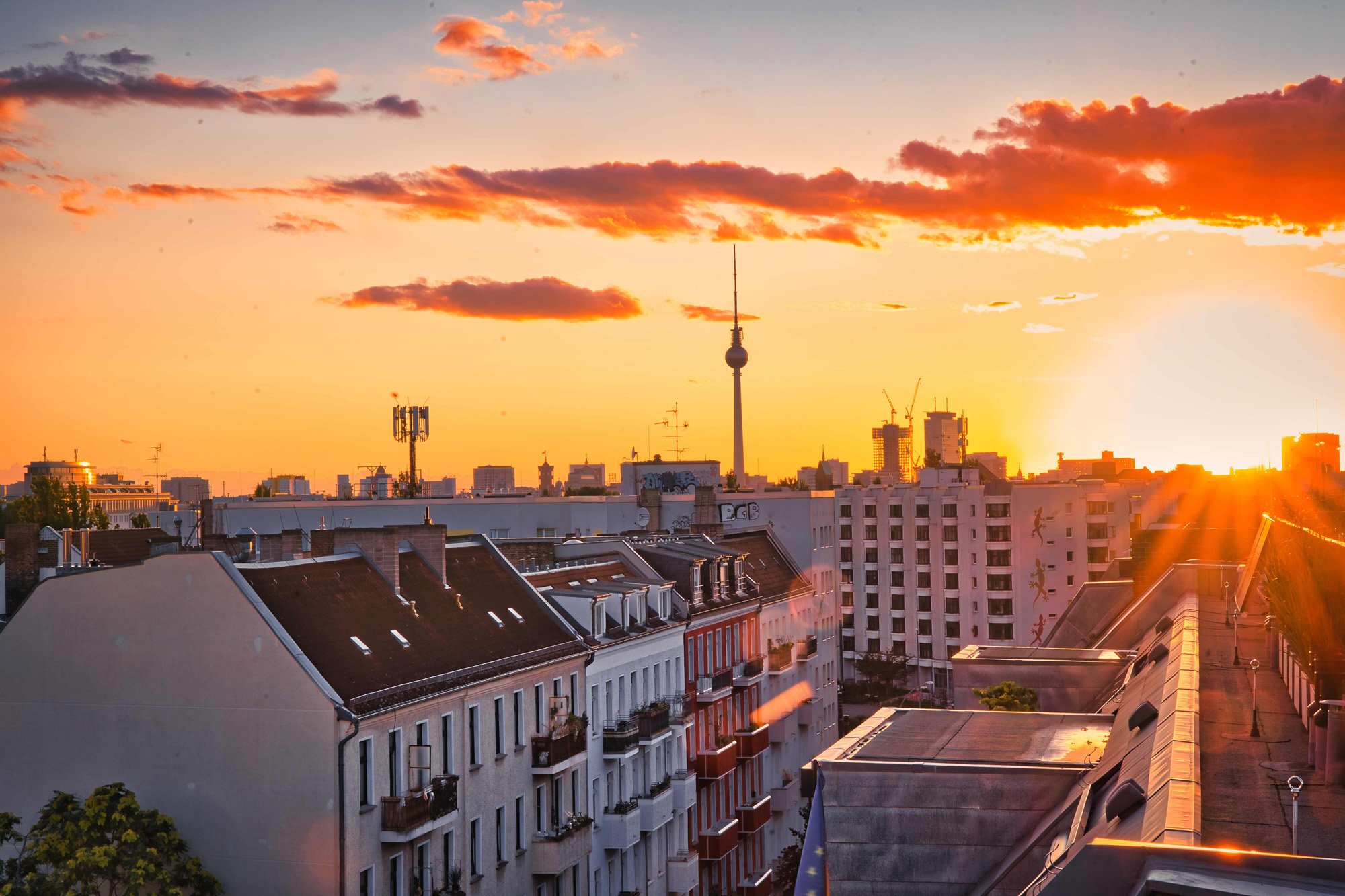
Bringing the light of the gospel to Berlin
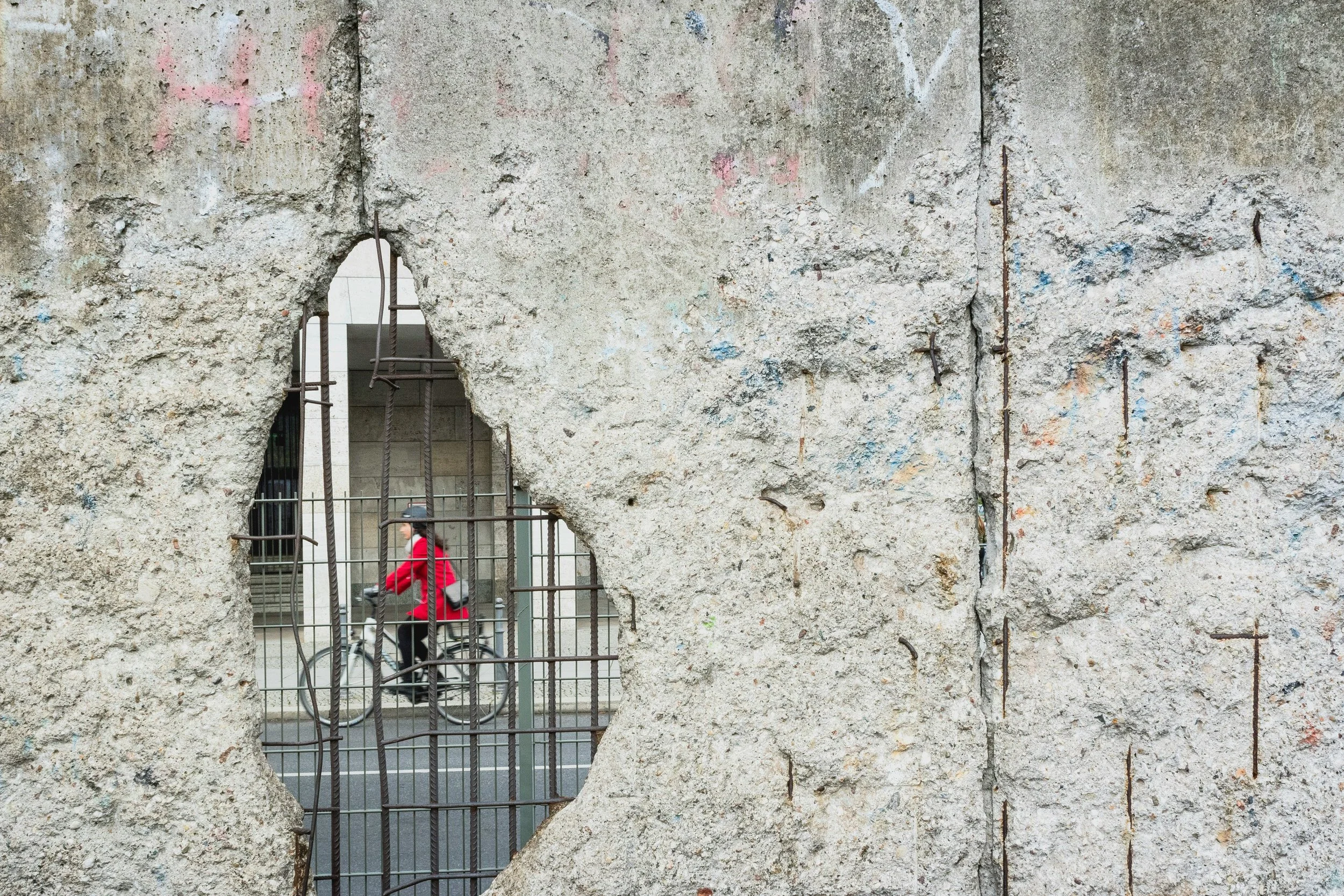
80 years of history have led to the atheistic and anti-Christian worldview that Berliners hold today.
It began with Christian language and symbols being used as propaganda during the Holocaust. It was followed by a socialist state that actively discouraged religion and restricted religious education while promoting secularism. Church membership could harm educational and career prospects, which has led to generations growing up without religious influence or knowledge, and created a people who have forgotten that they have forgotten God. The city’s lack of organized religion and its pushback against social norms have long attracted freethinkers, anarchists, artists, and scientists.
Today, Berlin is a hub of art, philosophy, and counterculture. Feelings towards Christianity range from believing someone is mentally unwell if they believe in God to open hostility towards Christians.
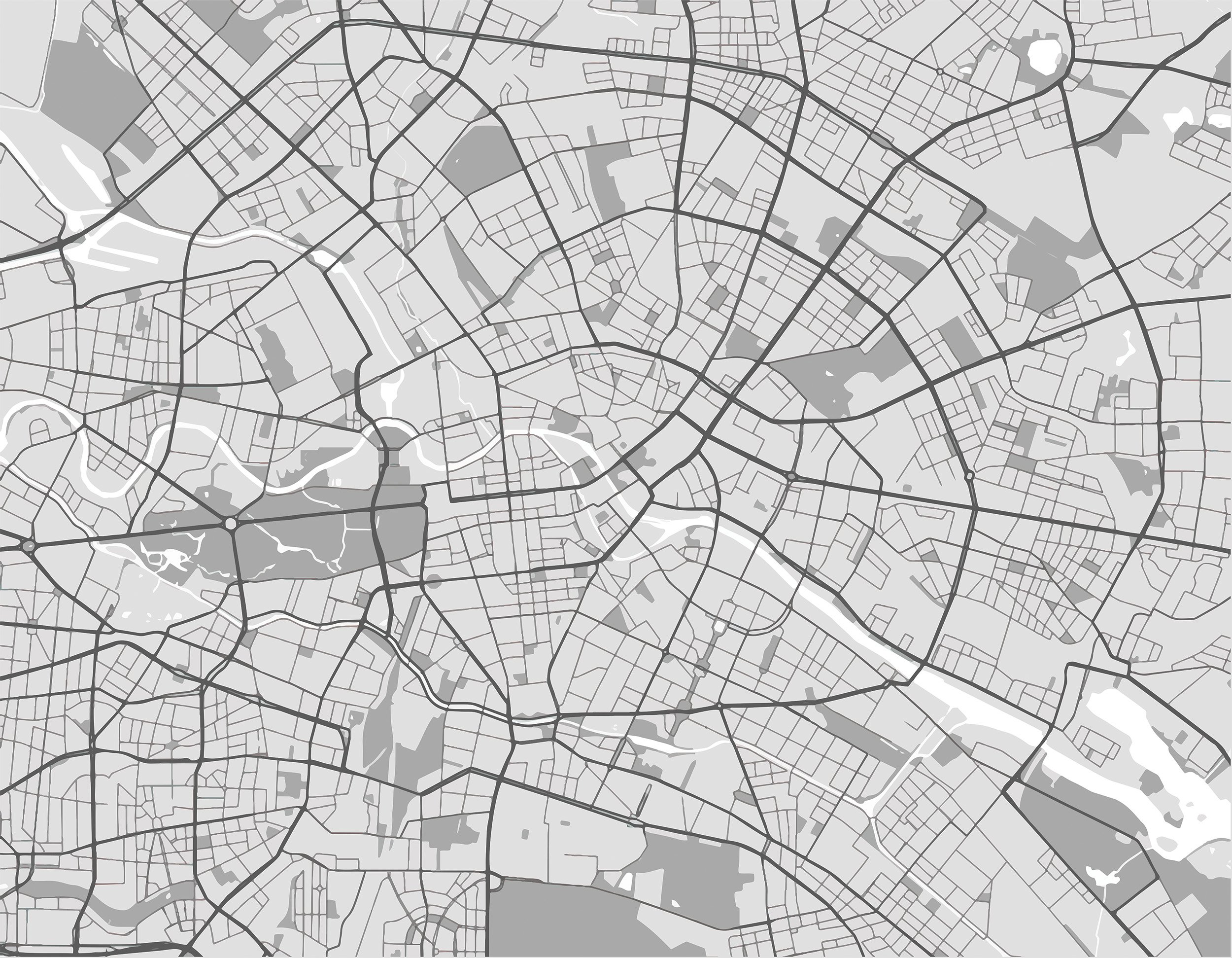
The Berlin Landscape
Young
55%
Of Berliners are under 45 years old, with the average age in 2024 being 42.8. One third of the population is between 25 and 45 years old.
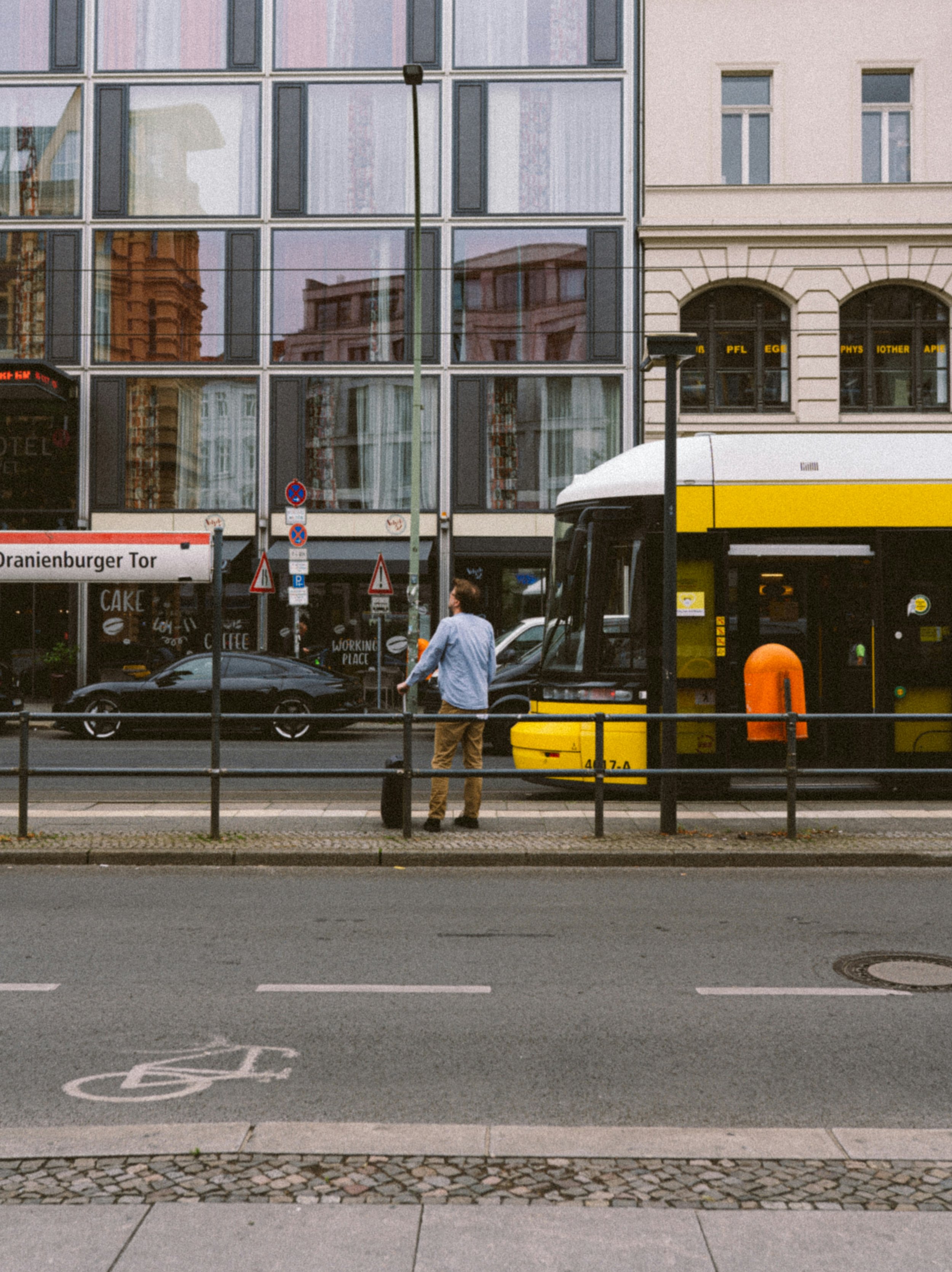
Lonely
1/3 of Berliners live alone.
Berlin has been nicknamed the “capital city of loneliness.”
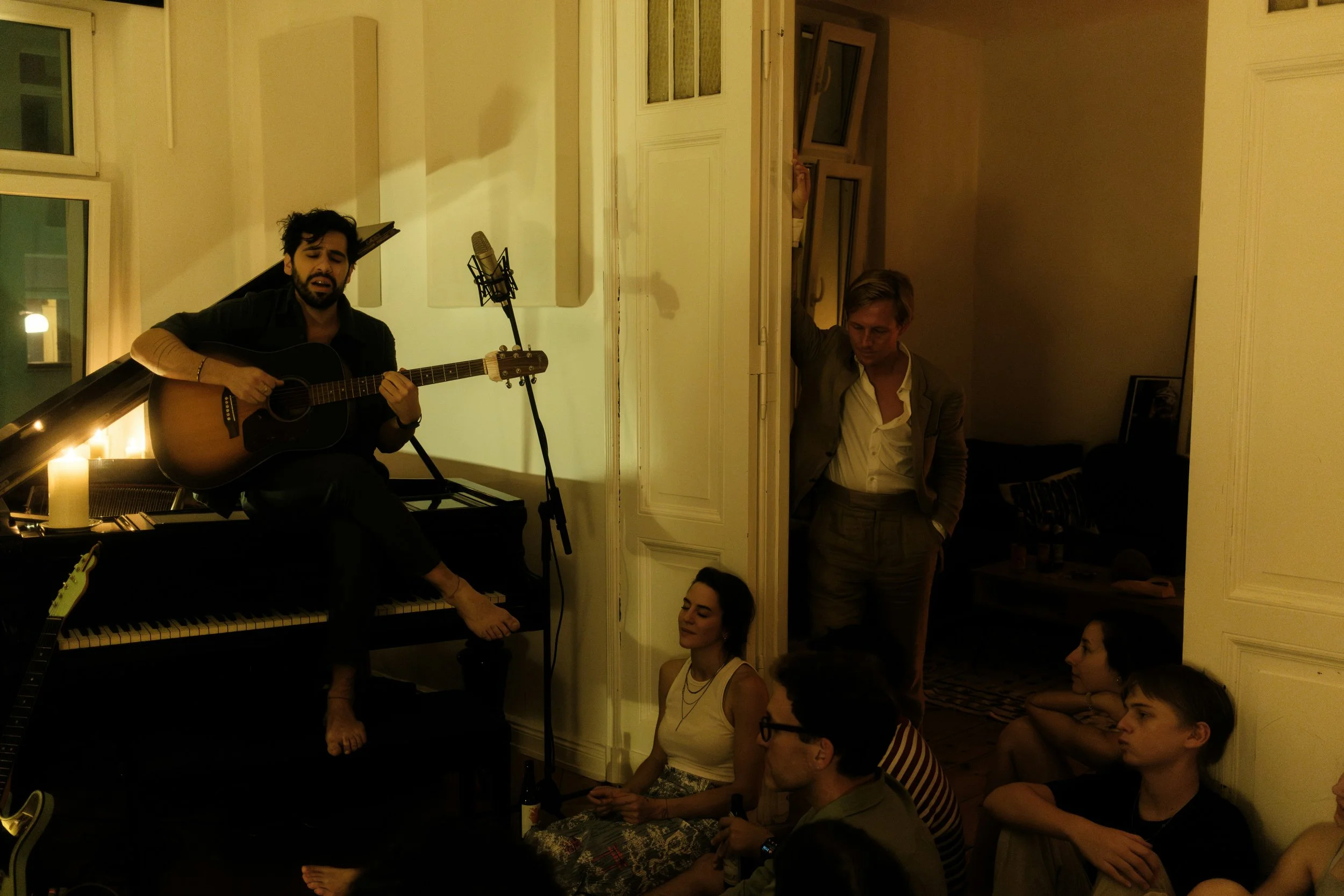
Creative
~20,000
professional artists live in Berlin
With nearly 300 galleries dedicated to classical, modern and contemporary art, Berlin is the top location for galleries in Europe
Berlin is the only European city with more museums than the number of rainy days (average rainy days per year: 106, number of museums: around 170)
International
190
nations are represented in Berlin’s population
Nearly 1 in 4 Berliners are foreign-born (22.5%)
1 in 3 have a background as second or third generation immigrants
Berlin is home to the largest Turkish population outside of Turkey (93,161 Turks make up 11.2% of Berlin’s total population)

Influential
Berlin is Germany’s largest industrial town and a major center of trade and technological development
Berlin is Germany’s primary center of science and research and one of the foremost centers of German intellectual life
Berlin is an economic center and the political and cultural hub of central Europe

Unbelieving
Only about 1.5% of Berliners are followers of Jesus
Nearly 70% claim no religious affiliation, making “unbelief” Berlin’s leading religion
Berlin is known as the “atheist capital of Europe”
A 2012 University of Chicago study confirmed that the former East Germany is one of the least religious places on the entire planet.